Admission Enquiry 
Admission Enquiry
As parents, we all want our children to grow into confident, capable individuals, ready to take on whatever the future holds. But in today's fast-changing world, it's no longer just about marks and degrees. The real question is: Are our children future-ready?
At Mayoor School Jaipur, we believe that education goes beyond textbooks. It's about preparing young minds for real-life challenges. So, here are five essential skills your child should start learning today to thrive tomorrow:
In a world full of information, the ability to think clearly and make smart decisions is gold. Whether it's solving a tricky maths problem or figuring out how to fix a broken toy, encouraging children to ask "why" and "how" builds their analytical skills.
Good communication isn't just about speaking English fluently; it's about expressing thoughts clearly, listening with attention, and understanding body language. Strong communication helps children build better relationships, perform confidently in interviews, and become team players in any career.
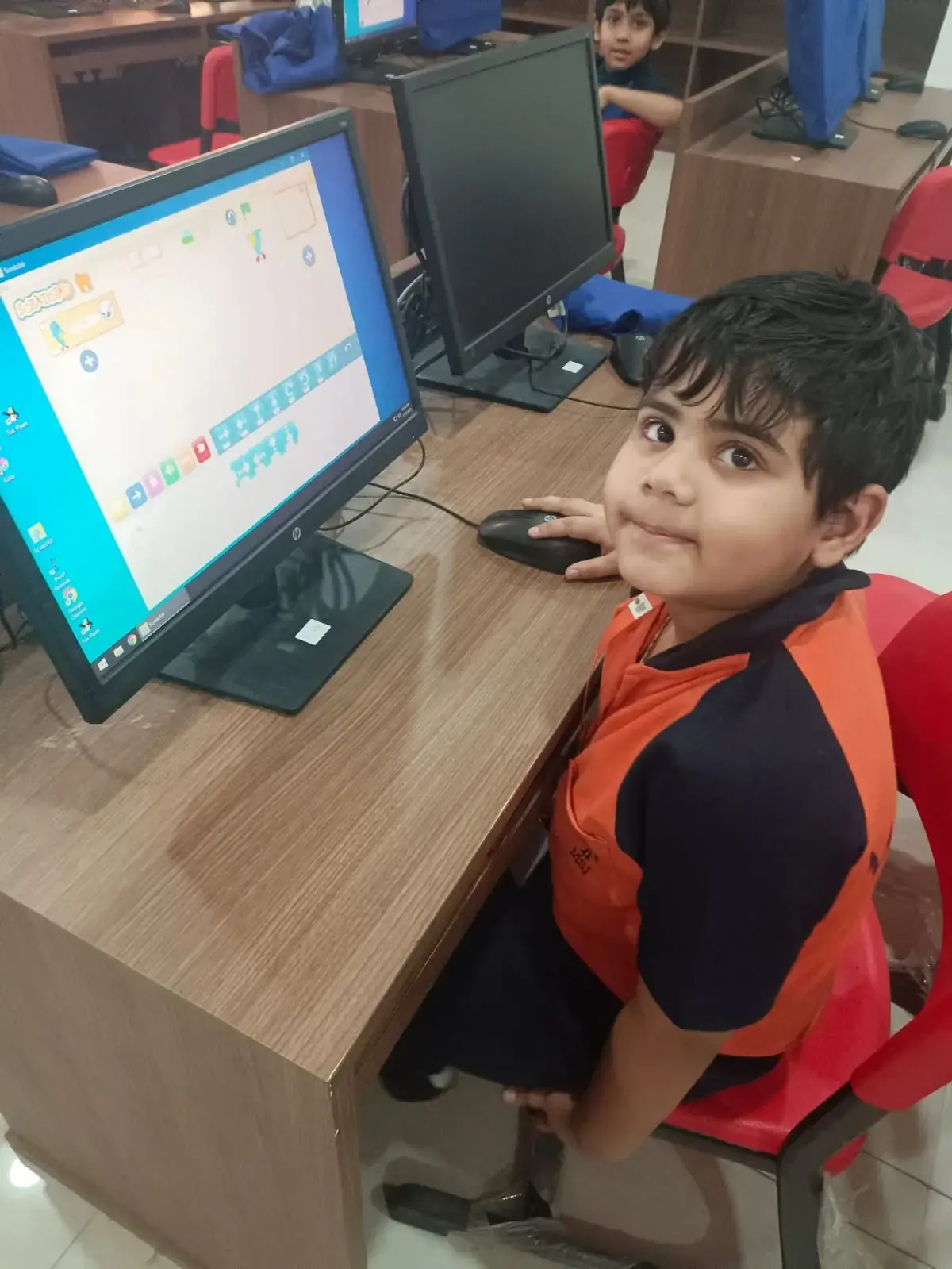
Let's face it, technology is no longer optional. From attending online classes to using AI tools, children need to be digitally smart, not just screen-savvy. Understanding how to use the internet responsibly, learning basic coding, or knowing how to create a presentation are crucial skills.
Future success isn't just about IQ, it's about EQ too. Children who understand their emotions and know how to handle them are more resilient and socially strong. Empathy, patience, teamwork, and the ability to manage stress make a big difference in both personal and professional life.
The future is uncertain, and that's okay. What matters is how well your child can adapt. Teaching kids to embrace change, learn from failures, and stay curious gives them a powerful edge.
At the best experiential learning school, we focus on holistic development, not just academic scores. Through experiential learning, real-world exposure, and a child-centric approach, we nurture future-ready learners who are confident, curious, and compassionate.
Because the future doesn't wait. But with the right skills, your child will always be ready.
Essential skills for students are critical thinking, communication, creativity, collaboration, and digital literacy. These skills help children succeed in school and prepare for future careers.
Essential skills improve learning, problem-solving, teamwork, confidence, and adaptability. They prepare students for academic success and real-world challenges.
The top five future-ready skills are:
Critical Thinking
Communication
Creativity
Collaboration
Digital Literacy
Students can build essential skills by reading regularly, participating in group activities, solving real-life problems, using technology responsibly, and practicing communication.
Children can start developing essential skills from an early age through play, classroom learning, creative activities, and everyday experiences.
Schools develop future-ready skills through project-based learning, teamwork, technology integration, extracurricular activities, and hands-on experiences.
Critical thinking is one of the most important skills because it helps students analyze information, solve problems, and make informed decisions in school and beyond.
Copyright ©2026 held by Global Institute of Technology Society and Mayoor School Jaipur | This template is made with by Shopivana
