Admission Enquiry 
Admission Enquiry

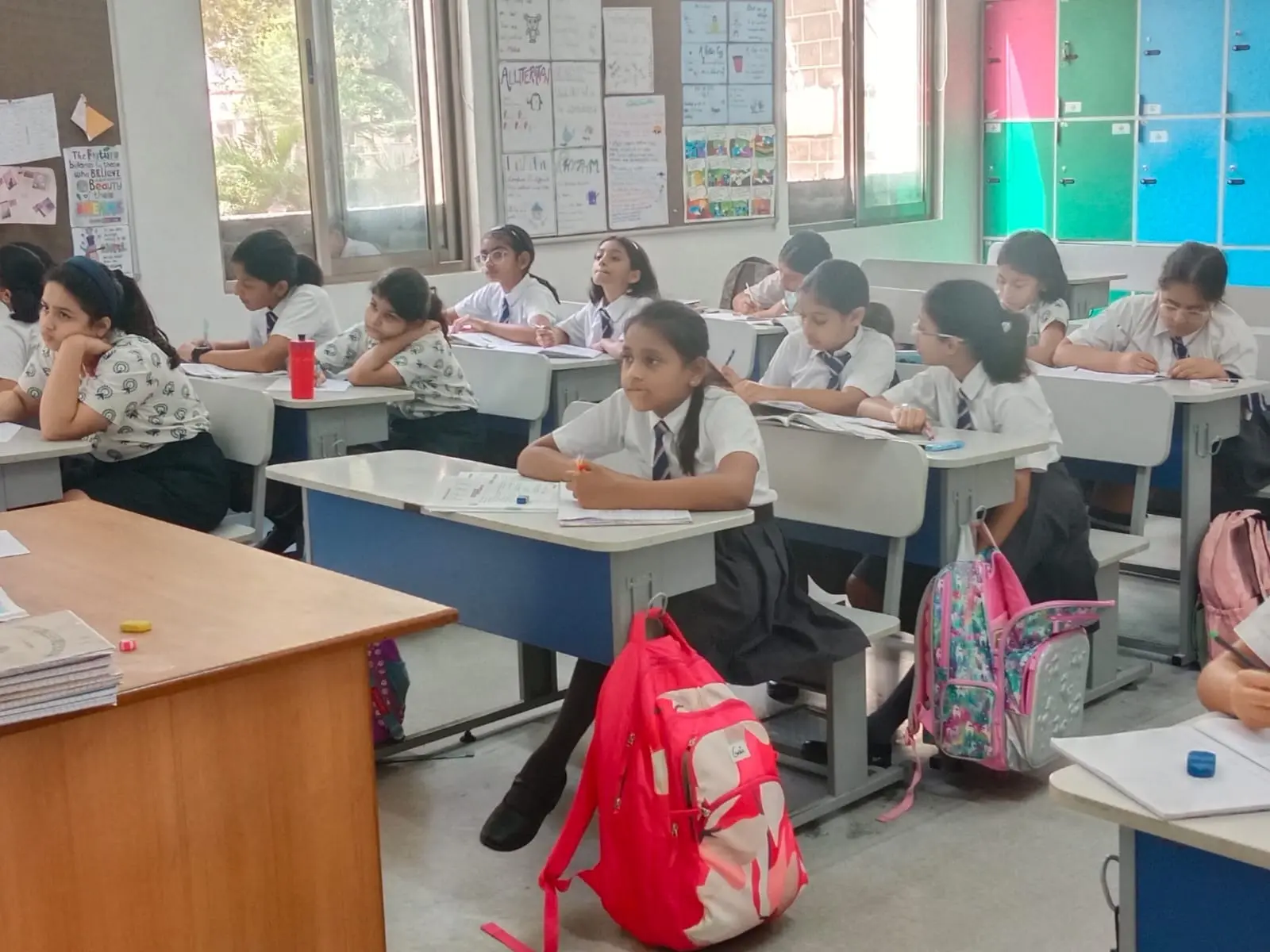
Motivating students in the classroom is one of the biggest challenges educators face today. With increasing distractions, changing learning behaviors, and diverse student needs, traditional teaching methods are no longer enough. Teachers now need innovative, engaging, and emotionally intelligent strategies to keep students motivated and eager to learn.
Whether students are part of a structured academic environment or beginning their boarding school journey, motivation plays a critical role in shaping their academic success and personal growth.
Student motivation is the driving force behind learning. When students are motivated, they actively participate, retain information better, and develop a genuine interest in education.
Motivation also improves discipline, reduces absenteeism, and enhances academic performance. Schools that focus on motivating students often see better outcomes in both academics and extracurricular activities.
A supportive classroom environment helps students feel safe, valued, and encouraged to express themselves. Teachers should foster respect, open communication, and inclusivity.
Simple actions like appreciating effort, encouraging participation, and avoiding harsh criticism can make a huge difference. A positive atmosphere helps students stay engaged and motivated throughout the learning process.
Students perform better when they know what is expected of them. Setting clear academic goals helps them stay focused and motivated.
Breaking down larger goals into smaller, achievable tasks makes learning less overwhelming. This also helps students track their progress and build confidence over time.
Traditional lecture-based teaching can become monotonous. Instead, use interactive methods such as group discussions, quizzes, storytelling, and hands-on activities.
Incorporating top study techniques for students into classroom activities can make learning more effective and engaging. Techniques like active recall, spaced repetition, and visual learning help students stay motivated and improve retention.
Students feel more motivated when they are actively involved in the learning process. Encourage them to ask questions, share opinions, and participate in discussions.
This not only boosts confidence but also helps develop critical thinking skills. Participation creates a sense of ownership in learning, which naturally increases motivation.
Feedback is essential for growth. Students need to know where they are doing well and where they can improve.
Recognizing achievements, big or small, can significantly boost motivation. Praise, rewards, and positive reinforcement help students stay encouraged and continue putting in effort.
Students often lose interest when they don’t see the relevance of what they are learning. Teachers should connect lessons to real-life situations.
When students understand how knowledge applies to their daily lives or future careers, they become more engaged and motivated to learn.
Inspiration is a powerful motivator. Sharing stories of successful individuals can encourage students to work harder and believe in themselves.
Using inspiring quotes from great leaders during lessons can spark motivation and help students develop a positive mindset toward challenges and learning.
Every student is different. Some learn quickly, while others need more time and support.
Personalizing teaching methods based on individual learning styles can improve engagement. When students feel understood and supported, they are more likely to stay motivated.
Competition can be a great motivator when used correctly. Friendly competitions, quizzes, and group challenges can make learning fun and engaging.
However, it’s important to ensure that competition remains healthy and does not create stress or discouragement among students.
A strong relationship between teachers and students creates trust and respect. When students feel comfortable with their teachers, they are more likely to participate and stay motivated.
Taking time to understand students’ interests, challenges, and strengths helps create a supportive learning environment.
Technology can make learning more interactive and engaging. Using videos, presentations, educational apps, and online tools can capture students’ attention.
Modern classrooms that integrate digital tools often see higher student engagement and motivation.
Students should be encouraged to take responsibility for their own learning. Assigning independent tasks and projects helps them develop discipline and confidence.
Self-learning builds curiosity and motivates students to explore beyond textbooks.
A student’s emotional state greatly affects motivation. Stress, anxiety, or lack of confidence can reduce interest in learning.
Teachers should create a supportive environment where students feel comfortable expressing their concerns and emotions.
Parents play a crucial role in motivating students. Regular communication between teachers and parents ensures that students receive consistent support both at school and at home.
Schools that maintain strong parent-teacher collaboration often see better student performance.
The overall school environment significantly impacts student motivation. Institutions that focus on holistic development, discipline, and quality education provide better opportunities for students to grow.
Choosing the best school in Jaipur ensures that students receive the right guidance, infrastructure, and encouragement to stay motivated and succeed academically.
Motivation begins at an early age. Young learners who are encouraged and supported develop a positive attitude toward education.
Enrolling children in the best preschool programs at Mayoor School helps build a strong foundation for lifelong learning and motivation.
Students often feel confused about their educational journey. Providing proper guidance helps them make informed decisions.
Understanding things to know before applying for a CBSE school can help students and parents choose the right academic path, ensuring long-term motivation and success.
High-quality education systems provide structured learning, experienced faculty, and modern teaching methods.
Studying at the best English-medium school in Jaipur ensures students receive a well-rounded education that enhances both academic and communication skills, keeping them motivated and future-ready.
Avoiding these mistakes can significantly improve student motivation.
Motivating students in the classroom is not a one-time effort; it requires continuous adaptation, understanding, and innovation. Teachers who focus on creating engaging lessons, building relationships, and encouraging participation can make a lasting impact on students’ lives.
By implementing these proven strategies, educators can transform classrooms into dynamic learning spaces where students feel inspired, confident, and eager to succeed.
The best way is to create an engaging learning environment, use interactive teaching methods, and provide regular feedback and encouragement.
Teachers can use real-life examples, technology, and interactive activities to make learning more interesting.
Students may lose motivation due to a lack of interest, stress, unclear goals, or ineffective teaching methods.
A positive environment helps students feel safe, confident, and motivated to participate in learning.

Copyright ©2026 held by Global Institute of Technology Society and Mayoor School Jaipur | This template is made with by Shopivana
