Admission Enquiry 
Admission Enquiry

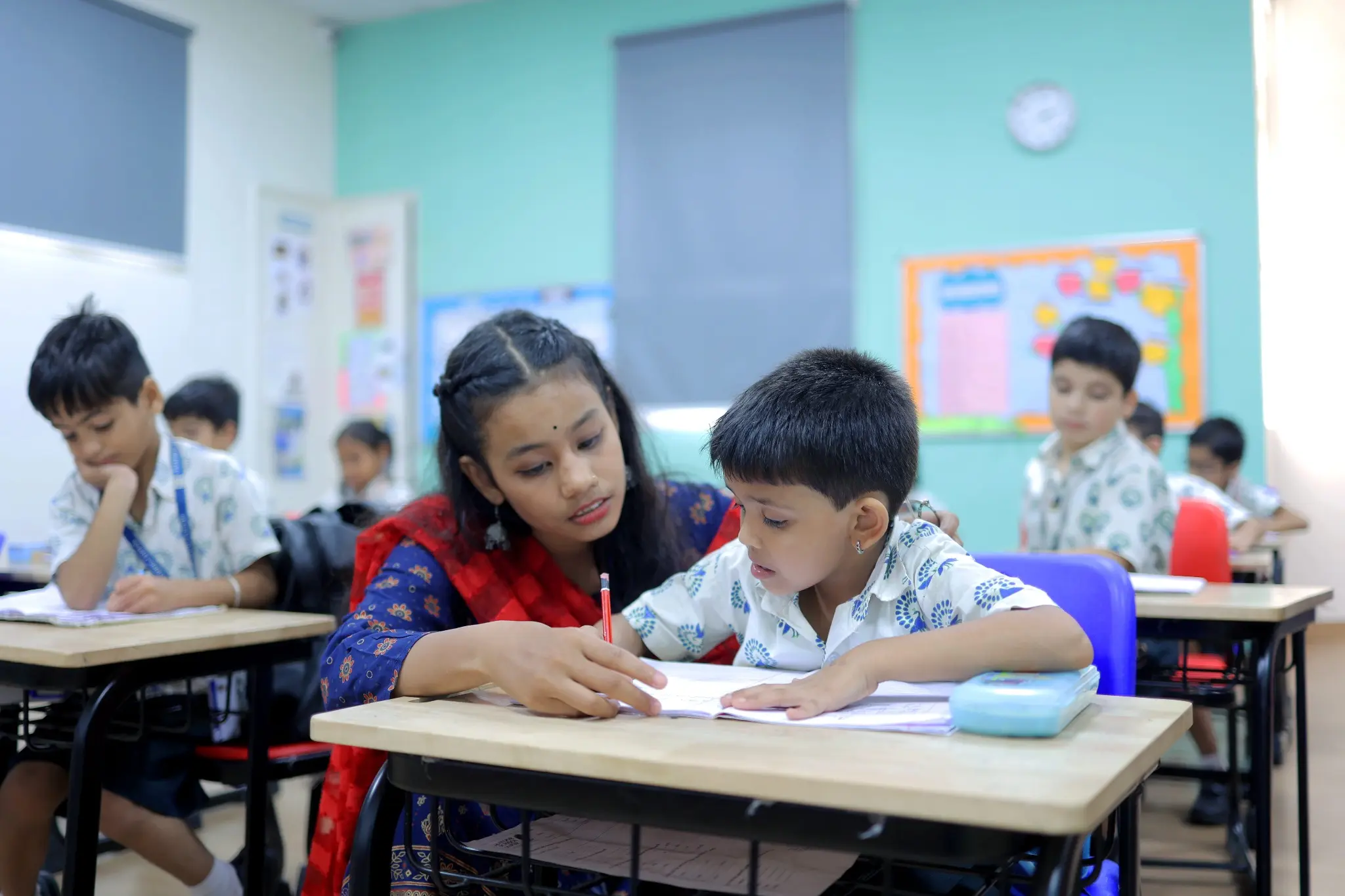
Exam season can feel like a storm rolling into your home, tension at the dinner table, sleepless nights, and a child who has slowly stopped being themselves. If you've watched your child crumble under academic pressure, you're not alone. Exam stress in children is one of the most common challenges parents face today, and the good news is, there's a lot you can do about it. Whether your child is preparing for unit tests or annual board exams, this guide will walk you through practical, compassionate strategies that actually work. And if you're looking for an institution that balances academics with well-being, exploring the best school in Jaipur with a strong support system is a great starting point.
Before finding solutions, it helps to understand what's really going on. Exam stress in children is not just nervousness; it's a real physiological and emotional response. When a child feels overwhelmed by academic expectations, their body releases stress hormones like cortisol, which can affect sleep, appetite, concentration, and mood.
Common signs of exam stress in young children include:
Recognising these signs early is the first step. Once you know what you're dealing with, you can respond with the right support rather than inadvertently adding more pressure.
Children today are under more academic pressure than ever before. Competitive school environments, parental expectations, peer comparison, and even social media have created a culture where grades feel like they define a child's worth.
Some key reasons behind exam stress include:
Fear of failure - Children often internalise the idea that a poor score means they are a failure as a person, not just in a subject.
Lack of preparation - When children don't have effective study habits, exams feel like a mountain they haven't trained to climb.
Parental pressure - Even well-meaning parents can unconsciously communicate anxiety by asking too frequently about results or comparing siblings.
Poor time management - Leaving everything to the last minute creates panic, not performance.
Understanding the root cause for your child specifically will help you personalise your support.
A cluttered, noisy study space sends the brain into overdrive. Set up a dedicated, distraction-free study corner with good lighting, necessary stationery, and no screens nearby. A sense of order around them creates a sense of order within them.
One of the most effective study techniques for students to ace exams is breaking study material into small, manageable chunks spread across days, not crammed into one panicked night. Help your child create a timetable that includes breaks, meals, and playtime. This teaches them that studying is a process, not a punishment.
The brain consolidates memory during sleep. A child pulling all-nighters before exams is actually hurting their performance, not helping it. Ensure your child gets 8–10 hours of sleep, eats brain-boosting foods (eggs, nuts, fruits, whole grains), and stays hydrated. These basics are surprisingly powerful.
Breathing exercises, light stretching, and even five minutes of mindfulness can significantly reduce anxiety in children. You don't need to turn your home into a yoga studio; even slow, deep breaths before starting a study session can calm the nervous system.
When a child says, "I'm so scared of this exam," the worst response is "Don't be silly, you'll be fine." Instead, say: "I understand. It feels hard right now. Let's figure it out together." Emotional validation doesn't mean accepting helplessness; it means acknowledging feelings so the child feels safe enough to move forward.
Praise your child for their hard work regardless of the outcome. Saying "I'm proud of how much you studied" is far more powerful than "Did you get full marks?" When children know they are loved and valued beyond their grades, exam stress naturally decreases.
If your child's anxiety is severe or persistent, don't hesitate to speak to their class teacher. Schools that prioritise student welfare, as seen in the modern education at Mayoor School model, often have counsellors and holistic support systems designed to identify and address student stress early.
A child's relationship with academics is shaped significantly by their school environment. Schools that focus only on marks and rankings without nurturing creativity, emotional resilience, and individual talent tend to produce more anxious students.
On the other hand, institutions that are recognised as the best CBSE schools for admission often stand out not just for academic results, but for how they prepare children to handle pressure, build confidence, and develop a love for learning. Look for schools that offer regular counselling sessions, mindful assessments, and extracurricular engagement that help children decompress.
Similarly, the best sports school in Jaipur model recognises that physical activity is not a luxury; it's a necessity. Sport teaches children how to handle wins and losses, work in teams, and bounce back from failure. These are the same skills they need to manage exam stress.
Reducing exam stress is not just about the next test; it's about raising children who can handle challenges for life. The foundations for this are often laid in the earliest years of schooling. Research consistently shows that children who receive quality early childhood education preschool programs develop stronger emotional regulation, better problem-solving skills, and healthier attitudes toward learning. When a child learns early that curiosity is more important than correctness, exams lose their power to terrorise.
As parents, your job is not to eliminate all difficulty from your child's life; it's to equip them with the tools to face difficulty with courage and calm.
If exam-related anxiety has become a recurring pattern for your child, it may be worth evaluating whether their current school environment is the right fit. The best school in Jaipur with a fee structure that is transparent and balanced, often reflects a school's broader philosophy of accessibility and student well-being. A good school won't just teach your child to score marks, it will teach them to think, grow, and thrive.
Exam stress in children is real, but it is manageable. With the right mix of emotional support, structured preparation, healthy routines, and a school environment that values the whole child, your child can walk into any exam room feeling ready, not terrified. Start small: create a consistent schedule, talk openly, celebrate effort, and take sleep seriously. The rest will follow. And when choosing the right academic foundation for your child, always look for institutions like the best school in Jaipur that genuinely care about student happiness alongside academic excellence.
The most common causes include fear of failure, lack of preparation, parental pressure, peer comparison, and poor time management. In many cases, it's a combination of these factors rather than a single trigger.
Children as young as 6–7 years old can begin showing signs of exam-related anxiety, especially in highly competitive school environments. However, stress tends to peak during board exam years (Classes 10 and 12).
Parents can help by creating a calm study space, maintaining a consistent sleep routine, validating their child's feelings, avoiding comparisons, and focusing on effort rather than results.
Absolutely. Teachers and school counsellors are valuable partners. Most schools welcome parental communication and can offer in-school support strategies customised for your child.
Yes, prolonged or intense exam stress can affect a child's physical health (sleep disturbances, headaches, appetite loss) as well as mental health (anxiety, low self-esteem, depression). Early intervention is important.
Spaced repetition, mind mapping, practice tests, and the Pomodoro technique (study for 25 minutes, break for 5) are proven methods. These structured approaches give children a sense of control, which reduces anxiety significantly.
If your child's anxiety is persistent, severe, or affecting their daily functioning, such as refusing to go to school, displaying signs of depression, or having panic attacks, it's time to consult a child psychologist or mental health professional.
Copyright ©2026 held by Global Institute of Technology Society and Mayoor School Jaipur | This template is made with by Shopivana
