Admission Enquiry 
Admission Enquiry

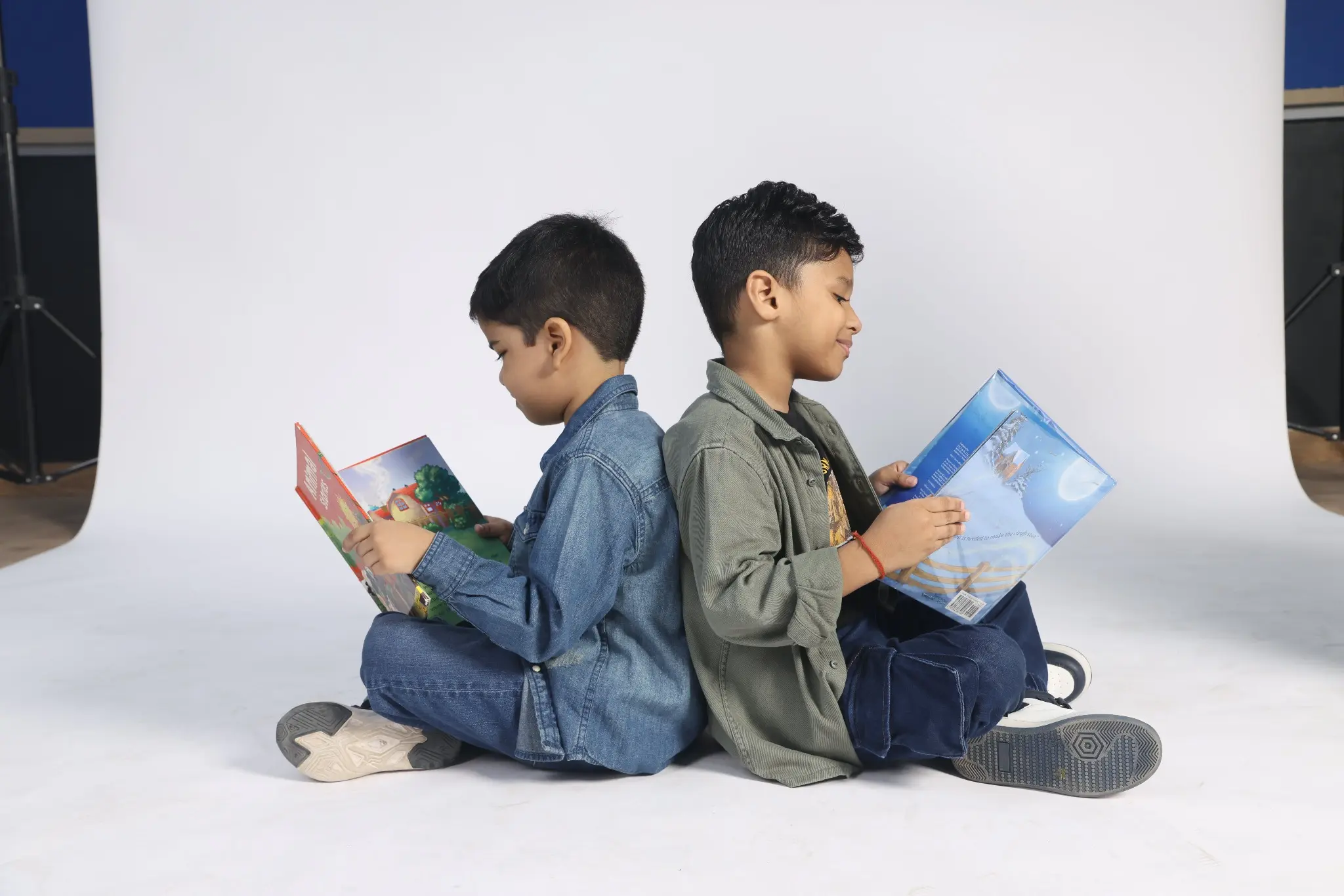
Reading is one of the most powerful skills a child can develop. It fuels imagination, builds vocabulary, improves concentration, and strengthens academic performance across every subject. At Mayoor School Jaipur, we believe that strong reading habits are a foundation for lifelong learning. Whether your child is in kindergarten or senior school, it is never too early or too late to nurture a love for books.
In this guide, we share practical, age-wise strategies to help parents build consistent, joyful, and meaningful reading habits in children of all ages.
Reading is not just a school activity, it is a life skill. Children who read regularly experience:
With increasing exposure to screens, social media, and digital distractions, cultivating reading habits has become even more important. Parents play a key role in creating the right environment and setting the right example.
Every age group requires a different approach. Below are practical strategies for each stage of your child's growth.
At this stage, children are naturally curious. They love stories, pictures, sounds, and rhythmic language. Your goal is to make reading feel fun, warm, and engaging.
Reading aloud is one of the most impactful ways to build early literacy. Use expressive voice, pause to ask questions, and point at pictures to keep children engaged.
Select books with:
Popular categories include fairy tales, animal stories, and everyday-life adventures.
A cosy reading nook with cushions, soft light, and a small bookshelf encourages children to pick a book independently.
Use phonics activities, alphabet cards, or interactive games to help children understand how letters form words.
At this age, too much screen exposure can reduce attention span. Replace gadget time with storytelling sessions.
Once children start school, reading becomes a part of their academic journey. Parents can reinforce this habit at home through structure, motivation, and consistency.
Fixed reading time, even 15-20 minutes, helps create consistency. It can be before bedtime, after homework, or during early mornings.
Let children choose their books. Whether they prefer comics, short stories, or science books, the goal is to make independent reading enjoyable.
Ask simple questions like:
This improves comprehension and critical thinking.
Regular visits to school or public libraries expose children to a variety of books and authors. This keeps reading fresh and exciting.
Books with slightly longer text help build stamina and confidence. Series like mystery adventures, animal stories, or moral stories work well.
Middle schoolers begin to form deeper opinions and interests. This is a crucial phase where reading can shape their personality, values, and worldview.
Encourage them to explore:
Exposure to diverse content expands their knowledge and thinking.
At this age, children start discovering what they truly like. Some may love fantasy, while others prefer adventure or realistic fiction.
Ask them to write a few lines about what they read a summary, favourite part, or new word learned. This builds writing and analytical skills.
Children at this age can understand:
Help them analyze stories beyond the surface level.
Encourage them to use books, not just the internet, for school presentations, activities, and research assignments.
Teenagers have demanding schedules and several distractions. But reading remains essential for exam preparation, competitive thinking, vocabulary enhancement, and broadening their worldview.
Teenagers should read:
Teenagers enjoy digital platformsr. Encourage:
But remind them to balance screens with print books to protect their eyes.
Reading improves:
Regular reading sharpens thinking and improves board exam preparation.
Ask teenagers to reflect on:
This builds maturity and emotional intelligence.
Group reading keeps teenagers motivated and exposes them to new ideas.
Regardless of age, parents are the biggest influencers in shaping a child’s reading habits. Here’s how you can help.
Reading should feel like a joyful experience, not a forced task. Here are practical ways to make it fun.
Building strong reading habits is one of the greatest investments parents and schools can make in a child’s future. It shapes their personality, improves academic performance, and nurtures creative thinking. With the right environment, encouragement, and support from institutions like Mayoor School Jaipur, every child can become a confident and joyful reader.
If you are looking for a school that values holistic development, discipline, creativity, and strong academic foundations, Mayoor School Jaipur continues to be one of the leading choices for parents in Jaipur.
Copyright ©2026 held by Global Institute of Technology Society and Mayoor School Jaipur | This template is made with by Shopivana
