Admission Enquiry 
Admission Enquiry

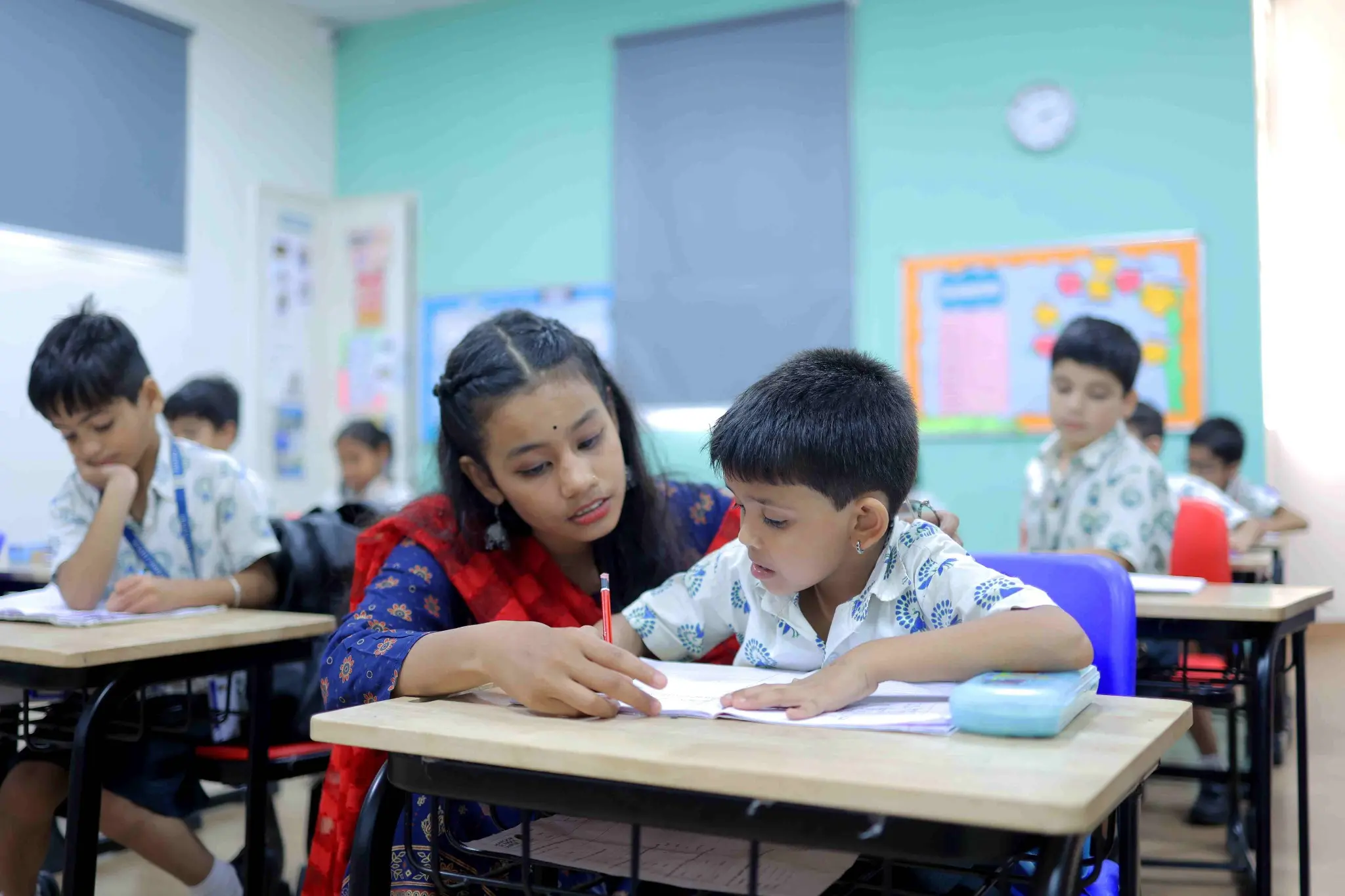
In today's hyper-connected world, the glow of screens has become an inseparable part of childhood. From morning cartoons to evening homework on tablets, children are surrounded by digital devices like never before. As parents, educators, and caregivers, we often find ourselves asking the same question: how much screen time is too much? Effective screen time management for kids isn't about banning technology completely; it's about creating a healthy balance where screens serve learning and entertainment without replacing real-world experiences. At Mayoor School Jaipur, one of the best CBSE schools in Jaipur, we believe that combining structured learning with Activity-Based Learning helps children develop a balanced relationship with technology from an early age.
This comprehensive guide will walk you through everything you need to know about managing your child's digital habits, including practical strategies, age-appropriate guidelines, and expert-backed tips that actually work in real households.
Children today are growing up as digital natives. Studies suggest that the average child between ages 8 and 12 spends approximately 4 to 6 hours daily on screens, while teenagers can spend up to 9 hours. While technology offers incredible learning opportunities, excessive screen exposure has been linked to several concerns:
The good news? With the right approach, parents can transform screen time from a source of conflict into a tool for growth and connection.
Before diving into strategies, it's essential to know what experts generally recommend. The American Academy of Pediatrics and similar global health bodies suggest the following guidelines:
Under 18 months: Avoid screen time except for video calls with family members.
18 to 24 months: Limited high-quality content viewed with a parent or caregiver.
2 to 5 years: Maximum 1 hour per day of supervised, educational content.
6 to 12 years: Consistent limits with prioritization of homework, sleep, physical activity, and family time.
Teenagers: Encourage self-regulation while maintaining open conversations about content quality and screen-free zones.
These are general benchmarks, not strict rules. Every child is different, and what matters most is the quality of content and how screens fit into their overall lifestyle.
If you've been wondering how to manage kids' screen time without daily battles, these practical approaches can make a real difference in your home.
Sit down with your children and create a written agreement about device usage. Include rules about when screens are allowed, where they can be used, and which apps or shows are approved. When children participate in making the rules, they're more likely to follow them. This collaborative approach mirrors the philosophy behind practical life skills activities that empower kids to make responsible decisions.
Designate certain areas of your home as completely screen-free. Bedrooms, dining tables, and study spaces are excellent starting points. Removing devices from sleep environments significantly improves rest quality and creates space for meaningful family conversations during meals.
Use specific time blocks rather than vague limits. Instead of saying "you've had enough," try "screens off at 7 PM on weekdays." Visual timers, scheduled charts, or parental control apps can help younger children understand and accept boundaries without arguments.
Children mirror what they see. If parents constantly scroll through phones during family time, kids will follow suit. Demonstrate healthy digital habits by putting your own phone away during meals, conversations, and outdoor activities. Your behavior teaches more than any rule ever could.
Replace screen time with engaging alternatives. Art, music, sports, reading, gardening, cooking, and board games offer rich developmental benefits. Schools that integrate STEAM education effectively teach children that creativity and critical thinking happen best when minds are actively engaged beyond screens.
Parental control apps, built-in screen time features on iOS and Android, and router-based controls can help enforce limits without constant supervision. Tools like Apple Screen Time, Google Family Link, and similar services let you monitor usage, block inappropriate content, and schedule downtime automatically.
Not all screen time is equal. An hour spent on an educational app learning math is fundamentally different from an hour of mindless video scrolling. Focus on content that builds skills, encourages creativity, or strengthens family bonds, such as watching documentaries together or playing cooperative learning games.
Children thrive on predictability. A daily schedule that includes specific times for homework, outdoor play, family meals, hobbies, and limited screen use reduces conflict and helps children develop self-discipline naturally.
Frame screens as a privilege rather than a baseline activity. When children complete chores, homework, or physical activity, they earn screen time. This approach teaches responsibility and helps them see digital devices as one of many enjoyable options, not the default activity.
Beyond limiting time, teach children about digital citizenship. Discuss privacy, online bullying, misinformation, and the difference between curated social media lives and reality. These conversations build critical thinking skills that protect them long after they grow beyond your direct supervision.
Schools play a powerful role in shaping how children perceive and use technology. Forward-thinking institutions blend traditional teaching with smart digital integration. For instance, the benefits of smart boards in the classroom extend beyond visual appeal; they make lessons interactive while limiting passive screen consumption. Similarly, well-structured lesson plans vs unit plans ensure that digital tools complement hands-on learning rather than replace it.
When choosing the best school for admission, parents should look for institutions that balance technology with physical activity, creative arts, and social interaction. A holistic curriculum naturally limits unnecessary screen exposure while maximizing learning outcomes.
Sometimes screen use crosses from harmless entertainment into problematic territory. Watch for these warning signs in your child:
If you notice these patterns, it's time to reassess and gradually reset boundaries. Suddenly, harsh restrictions often backfire; gradual, consistent changes work better.
One of the biggest challenges parents face is helping children find joy outside digital entertainment. Teachers often share insights on how to motivate students in the classroom, and many of those principles apply at home too. Praise effort rather than results, set achievable goals, celebrate small wins, and provide variety. When children feel competent and engaged in real-world activities, screens lose their grip naturally.
Encourage participation in extracurricular pursuits. Schools offering 20+ enrichment programs help children discover passions ranging from robotics and music to sports and theater, all of which compete healthily with screen-based entertainment.
Some of the most meaningful childhood memories come from screen-free moments. Try incorporating these into your weekly routine:
Family game nights with board games, puzzles, or card games create laughter and lasting bonds.
Outdoor adventures like hiking, cycling, or simple park visits boost physical health and mental well-being.
Cooking together teaches life skills while creating shared experiences.
Reading hour, where everyone reads their own book in the same room, builds a culture of literacy.
Storytelling time before bed strengthens emotional connection and imagination.
These rituals don't need to be elaborate. Consistency matters more than complexity.
Modern education often requires screens for assignments, research, and online classes. The key is distinguishing productive screen use from recreational use. Help your child organize their schoolwork efficiently, use website blockers during study time to prevent distractions, and ensure breaks every 20 to 30 minutes to rest their eyes.
Following the 20-20-20 rule helps reduce digital eye strain: every 20 minutes, look at something 20 feet away for 20 seconds. Pair this with proper lighting, good posture, and screen positioning at eye level.
Parents preparing children for crucial milestones like the CBSE Compartment Exam 2026 should ensure that study-related screen use is structured, focused, and balanced with offline revision methods like handwritten notes and group discussions.
Excessive screen time, particularly social media use, has been linked to rising anxiety and depression in young people. While correlation isn't causation, the patterns are concerning enough that mental health professionals worldwide recommend caution. Encourage your children to:
Mental well-being thrives on real human connection, physical activity, sufficient sleep, and a sense of purpose, all of which require time away from screens.
A child's school environment significantly shapes their relationship with technology. Parents researching the best school in Jaipur with fee structure should evaluate not just academics but also how the school integrates technology mindfully. The ideal school promotes active learning, encourages outdoor play, limits unnecessary screen exposure, and teaches digital literacy alongside traditional subjects.
If you're considering Mayoor School Jaipur, known as one of the best CBSE schools in Jaipur, feel free to contact us for more information about our balanced approach to education and technology integration.
Managing your child's screen time isn't about restriction; it's about empowerment. By setting thoughtful boundaries, modeling healthy habits, and offering rich offline alternatives, you help your children build a balanced relationship with technology that will serve them throughout life. Remember that small, consistent changes create lasting impact. Start with one or two strategies from this guide, involve your family in the process, and adjust as you learn what works for your unique household.
Screens aren't the enemy, but unmanaged screen time can quietly displace the experiences that help children grow into healthy, curious, and connected human beings. With patience, communication, and the right environment, both at home and at school, you can raise children who use technology wisely rather than being used by it.
Experts generally recommend no screen time for children under 18 months (except video calls), limited supervised viewing for ages 2 to 5 (around one hour daily), and consistent age-appropriate limits for older children, with a focus on quality content and balancing screens with sleep, study, and physical activity.
Start by creating rules together as a family, replace screen time with engaging offline activities, set clear screen-free zones, such as bedrooms and dining areas, use parental control apps, and, most importantly, model healthy screen habits yourself.
Yes, generally speaking. Educational content that builds skills, encourages creativity, or supports learning offers more value than passive entertainment. However, even educational screen time should be balanced with hands-on learning and physical activity.
Excessive screen use, especially before bedtime, can disrupt sleep by exposing children to blue light that suppresses melatonin production. Establishing a screen-free hour before bed and keeping devices out of bedrooms can significantly improve sleep quality.
Common signs include irritability when devices are removed, declining academic performance, sleep issues, withdrawal from family or friends, complaints of headaches or eye strain, and loss of interest in previously enjoyed activities.
Absolutely. Schools that emphasize activity-based learning, outdoor play, and enrichment programs naturally reduce children's dependence on screens while teaching healthy digital citizenship and balanced use of technology.
Choose high-quality educational content, co-view or co-play when possible, discuss what they watch, encourage creative use of technology, such as coding or digital art, and ensure screens supplement, rather than replace, real-world learning experiences.

Copyright ©2026 held by Global Institute of Technology Society and Mayoor School Jaipur | This template is made with by Shopivana
