Admission Enquiry 
Admission Enquiry

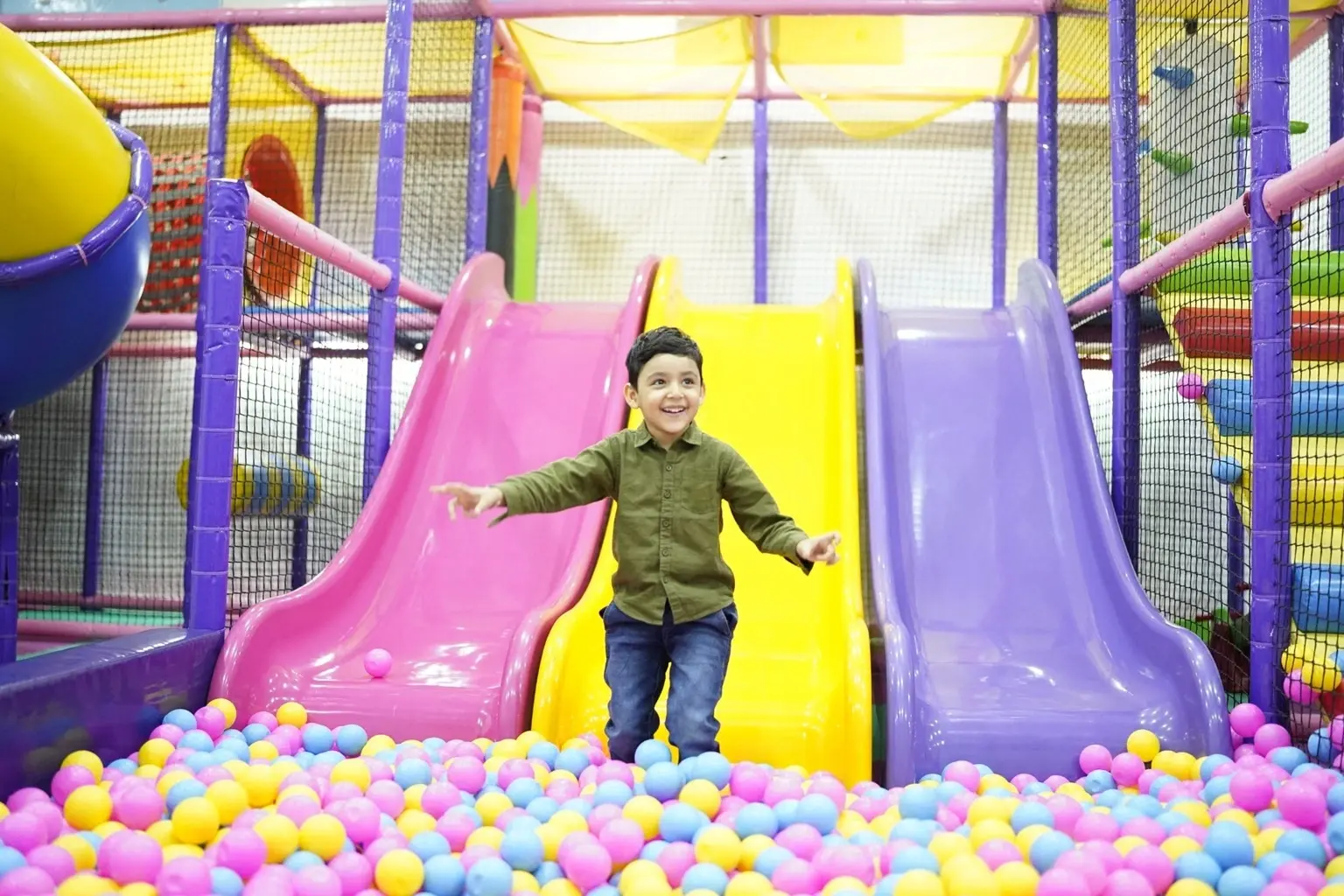
School infrastructurerefers to the physical and digital facilities that support teaching and learning. This includes classrooms, libraries, laboratories, sports areas, safety systems, and technology-enabled spaces that shape a child’s everyday learning experience.
Well-planned infrastructure directly influences academic performance, emotional well-being, creativity, and social development.
School infrastructure impacts child development by creating an environment that supports:
Children who study in well-designed schools often show higher engagement levels, better academic outcomes, and stronger confidence.
Classroom design plays a major role in shaping learning behavior.
Key elements that support learning:
A well-structured classroom environment helps students stay attentive and absorb information more effectively.
Children spend a large part of their day at school, making the environment critical for emotional growth.
Supportive infrastructure helps by:
These elements help children build confidence, empathy, and communication skills-key aspects of holistic development.
Outdoor infrastructure plays a major role in physical and mental well-being.
Benefits include:
Schools with dedicated sports grounds and play areas support balanced development beyond academics.
A secure and hygienic environment directly impacts a child’s ability to learn without fear or distraction.
Essential safety features include:
When children feel safe, they are more confident, focused, and open to learning.
Modern classrooms integrate technology to enhance learning experiences.
Technology in schools helps students:
Balanced digital exposure also supports healthy screen time management, ensuring technology enhances-not replaces-human interaction.
Quality infrastructure supports every aspect of child growth:
This holistic approach prepares children for both academic success and real-world challenges.
When evaluating schools, parents should assess infrastructure alongside curriculum quality.
Key factors to consider include:
Understanding these factors to consider for choosing the right school helps parents make informed, confident decisions.
In early learning years, child-friendly infrastructure supports curiosity, play-based learning, and emotional comfort-especially important for Early Preschool Programs I, II, & III.
Structured classrooms, libraries, and activity zones help children build foundational academic and social skills.
Advanced labs, career-oriented learning spaces, and independent study zones prepare students for higher education and future careers.
For families exploring residential education, infrastructure becomes even more critical.
A well-designed campus supports:
Parents considering their child’s boarding school journey should prioritize infrastructure that ensures safety, comfort, and holistic growth.
The quality of infrastructure often reflects a school’s long-term commitment to education. Institutions known for strong academic outcomes typically invest in spaces that support innovation, creativity, and student well-being.
This is why many parents evaluating a CBSE School in Jaipur or the Best IB School in Jaipur look closely at campus facilities alongside academic results.
Understanding aspects like the Fee Structure of Mayoor School Jaipur or similar institutions also helps parents assess the value offered in terms of infrastructure and learning outcomes.
School infrastructure is not just about buildings - it shapes experiences, habits, and lifelong skills. A thoughtfully designed learning environment empowers children to explore, grow, and succeed with confidence.
When schools invest in safe, inclusive, and future-ready infrastructure, they lay the foundation for stronger learning outcomes and well-rounded development.
Choosing the right school means choosing an environment where your child can truly thrive- academically, emotionally, and socially.
School infrastructure directly influences concentration, motivation, and learning outcomes. Well-lit classrooms, comfortable seating, modern teaching tools, and safe surroundings help students stay focused and engaged, leading to better academic performance and improved understanding of concepts.
A well-designed school environment provides children with a sense of safety, belonging, and emotional stability. Calm learning spaces, activity zones, and supportive facilities help children express themselves freely, build confidence, and develop healthy social relationships.
Parents should look for clean and well-maintained classrooms, sports and play areas, safe transportation, hygiene facilities, digital learning tools, and activity spaces that support both academic and personal growth. These elements collectively contribute to a well-rounded educational experience.
Good infrastructure supports physical, emotional, social, and cognitive development by offering balanced learning spaces, safe environments, and opportunities for creativity, collaboration, and physical activity- helping children grow into confident, capable individuals.

Copyright ©2026 held by Global Institute of Technology Society and Mayoor School Jaipur | This template is made with by Shopivana
