Admission Enquiry 
Admission Enquiry

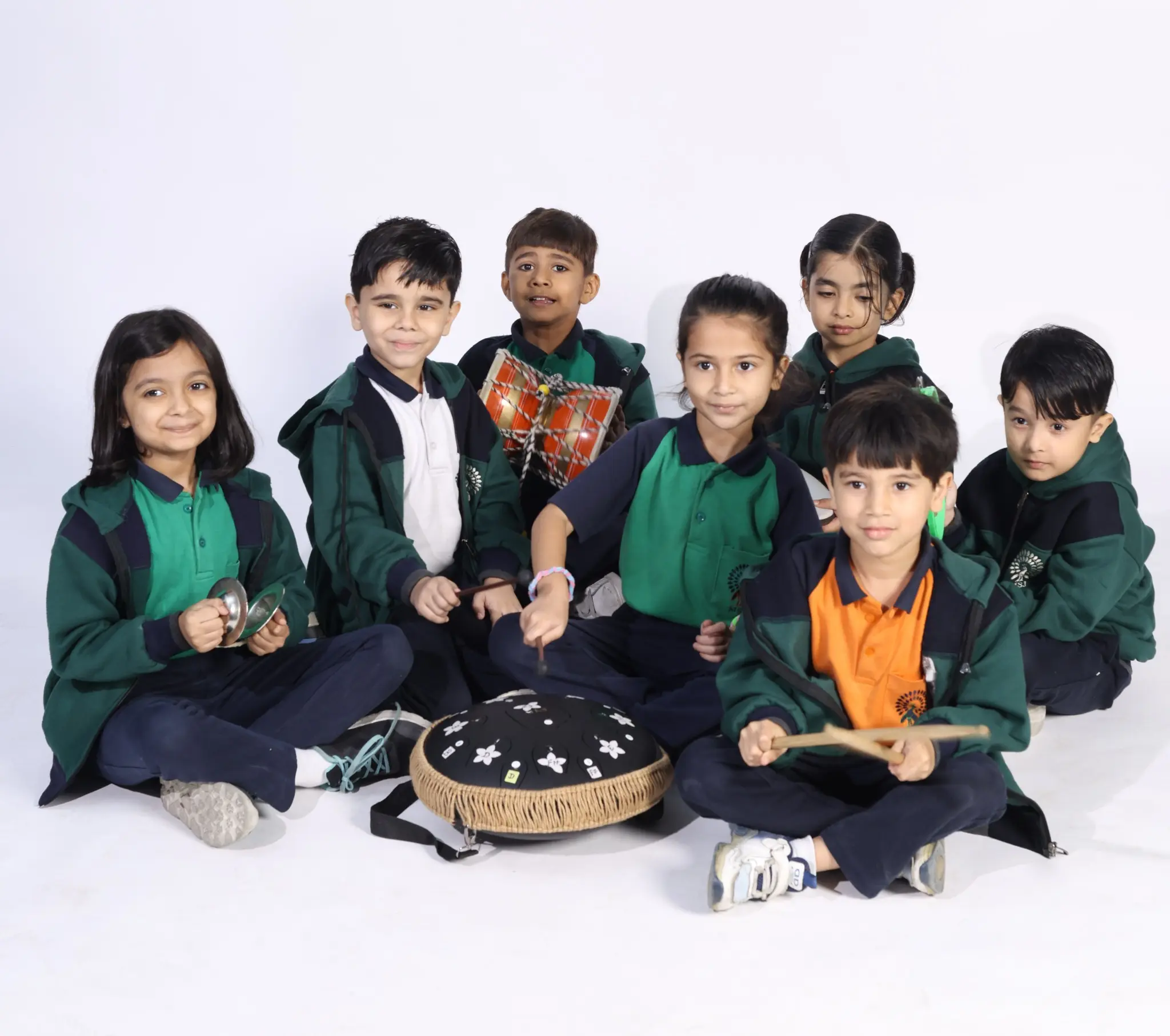
Every child holds unique strengths, some obvious, some hidden, and some waiting to be discovered with the right opportunities. As parents, understanding these strengths is one of the most valuable gifts you can offer your child. It shapes not just their academic growth but their confidence, personality, and long-term life choices.
In every classroom, whether in the best school in Jaipur or a smaller neighbourhood setup, teachers observe how differently children learn, express themselves, and respond to situations. Similarly, at home, parents witness parts of their personality that schools may not see. Together, these observations help form a complete picture of your child's natural abilities.
In this guide, we'll explore a practical and research-backed approach to identifying your child's strengths without comparing them to others or falling into common parenting traps.
Many parents associate strengths with academic excellence. But strength is a much broader concept. Your child's strengths are the skills, behaviours, talents, and traits that come naturally to them, things they do with joy, ease, and interest.
Strengths are not always loud or visible. Sometimes a quiet child who listens deeply may have strong empathy or analysis skills, even if they are not outspoken.
Recognizing strengths early helps parents guide children toward choices that feel natural, enjoyable, and fulfilling. When children feel competent in something, they develop:
A child who knows what they're good at builds resilience. Even if they face challenges in some areas, they learn that they have other abilities that make them unique.
Children constantly show who they are through their actions, interests, conversations, and reactions. Here are practical signs to look for:
Children often move toward activities that reflect their core strengths drawing, building things, asking questions, reading, running, or helping others.
Ask yourself: What does my child choose when no one is directing them?
Topics they repeatedly bring up can reveal hidden passions: dinosaurs, planets, singing, sports, vehicles, numbers, or stories.
Strengths can be spotted through ease of learning. If a child quickly picks up a melody, solves puzzles effortlessly, or expresses ideas clearly, it's a sign.
When children show commitment to an activity without expecting praise, rewards, or recognition, it reflects an internal motivation.
Some children show resilience in sports, while others persevere in solving math problems or completing creative projects.
A child who comforts others may have strong emotional intelligence. A child who organizes group play may have leadership skills.
Parents have the closest view of a child's daily personality. Here's how to identify strengths through simple, mindful observation:
Schools play a critical role because they offer structured environments where children interact with others, manage tasks, and respond to learning challenges.
Educators observe children in ways parents may not see:
For example, experienced teachers at schools like Mayoor School often help parents understand a child's learning preferences, temperaments, and natural talents. When schools and parents work together, they can create stronger support systems for children.
This is why many parents feel that finding the best school in Jaipur isn't just about facilities but also about environments that help reveal and nurture strengths realistically.
While children have immense potential, parents sometimes unintentionally misinterpret or overlook strengths.
Once strengths are identified, the next step is supporting them with balance and intention.
Sometimes children show exceptional strengths or face unique challenges. In such cases, professional guidance can be helpful.
You may consult:
If your child studies in a large school environment like Mayoor School, teachers may also guide you on whether professional insight is beneficial.
Expert help is not about correcting weaknesses; it's about unlocking potential.
Identifying a child's strengths is not a one-time activity; it's a continuous process of observing, listening, sharing, and learning together. It requires openness, patience, and a willingness to accept who your child truly is, instead of what society expects them to be.
Your child doesn't need to excel in everything. They simply need the freedom and support to grow in the areas that feel natural and joyful to them.
Whether they show strength in creativity, empathy, logic, sports, communication, or curiosity, every strength matters. And when parents and educators collaborate, whether at home or in the classroom of the best school in Jaipur, children flourish into confident, capable, and self-aware individuals.
Helping your child discover their strengths is one of the most meaningful journeys you will ever take with them. And the more genuinely you support them, the more they learn to trust their own abilities.
Copyright ©2026 held by Global Institute of Technology Society and Mayoor School Jaipur | This template is made with by Shopivana
