Admission Enquiry 
Admission Enquiry

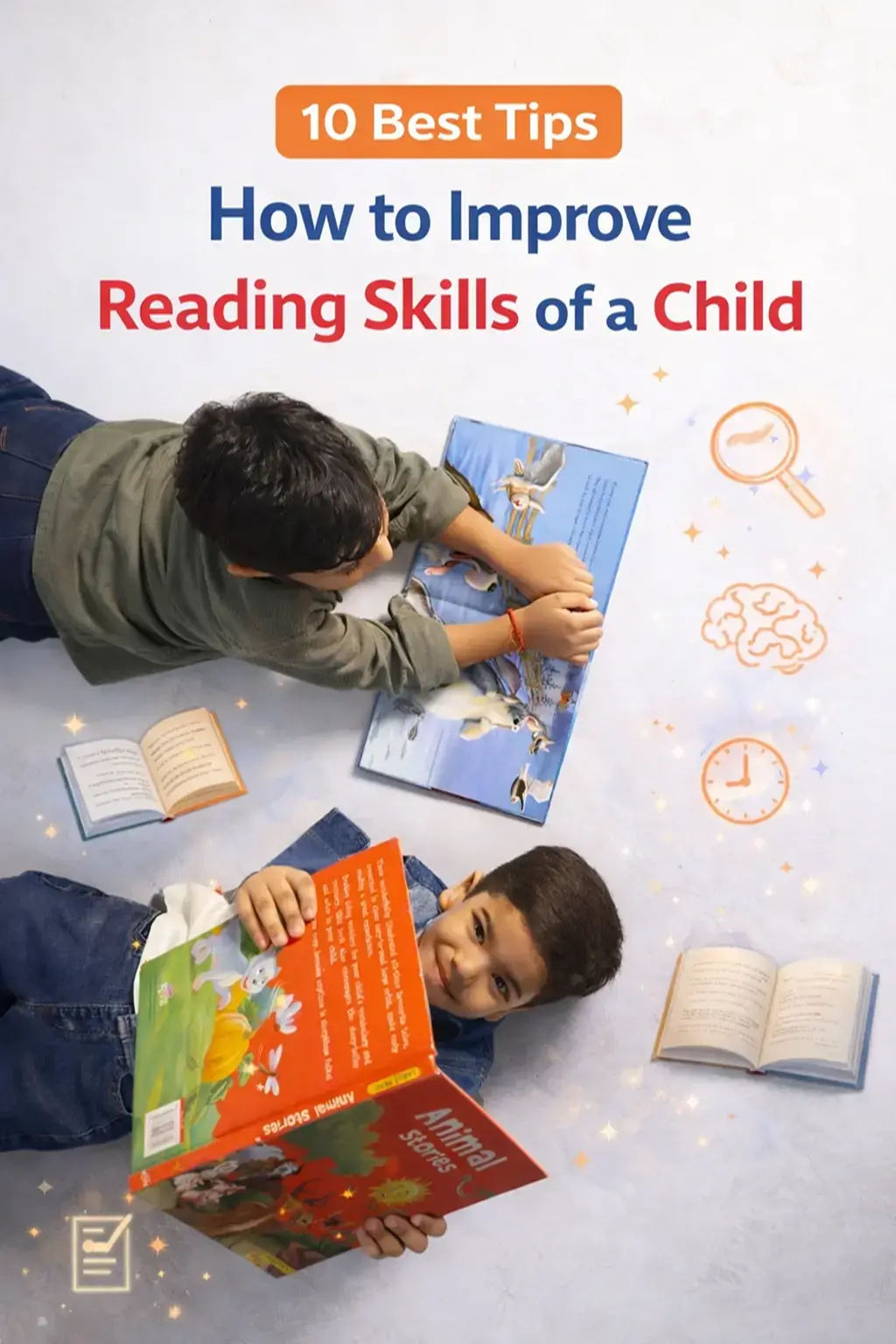
Reading is one of the most important life skills a child can develop. Strong reading abilities not only help children perform better academically but also boost confidence, imagination, and communication skills. Many parents wonder how to improve the reading skills of a child in a way that feels natural, enjoyable, and effective-without pressure.
The good news is that reading skills can be nurtured at home and in school with simple, consistent practices. Whether your child is just beginning to recognize letters or already reading sentences, the right approach can make a lasting difference. Children studying in a CBSE School in Jaipur or anywhere else benefit greatly when reading is encouraged both in classrooms and at home.
In this guide, we’ll explore 10 practical, parent-friendly tips that explain how to improve a child’s reading skills while helping you develop reading skills in children through everyday activities.
The foundation of strong reading skills begins early. Introducing books during the preschool years helps children associate reading with comfort, curiosity, and bonding.
Reading aloud to your child-even before they can speak- builds vocabulary and listening skills. Picture books, rhymes, and short stories stimulate curiosity and prepare children for independent reading later.
Children enrolled in quality Early Preschool Programs often show stronger early literacy skills because reading is integrated into daily routines. At home, aim to read with your child for at least 15–20 minutes a day to build consistency.
Tip: Choose a fixed time, such as bedtime, to make reading a daily habit rather than a task.
Children are more likely to read when books are easily accessible. Create a small reading corner at home with age-appropriate books, good lighting, and a comfortable seating arrangement.
When children see books around them, they naturally feel encouraged to explore. This simple setup plays a big role in building positive reading habits in children.
Avoid keeping books locked away or treating them as “special occasion” items. Let your child freely browse, flip pages, and even reread the same book multiple times-repetition strengthens reading confidence.
One of the most effective answers to how to improve reading skills of a child is letting them read what they enjoy. Forcing children to read books they don’t like can create resistance.
Give them options storybooks, comics, informational books, or simple biographies. When children feel in control of their reading choices, they engage more deeply and read for longer periods.
Exploring different genres also helps children discover their interests and improves comprehension over time.
Tip: Visit libraries or bookstores together and allow your child to select books that excite them.
Shared reading is a powerful technique to improve fluency and pronunciation. Read aloud with your child and take turns reading pages or paragraphs.
When your child reads aloud, gently correct mistakes without interrupting their flow too often. Encourage them to sound out unfamiliar words rather than immediately providing answers.
This interactive approach helps develop reading skills in children by improving word recognition, confidence, and comprehension.
Reading isn’t just about recognizing words-it’s about understanding meaning. After finishing a story, talk about it.
Ask simple questions such as:
These discussions strengthen comprehension and critical thinking skills, which are essential for academic success in higher classes, especially in competitive environments like top schools in Jaipur.
Phonics-based learning helps children understand the relationship between letters and sounds. Simple word games like rhyming, word matching, and letter puzzles make learning fun and interactive.
You can play games during travel time, meal preparation, or casual family moments. These small activities go a long way in reinforcing reading fundamentals without formal study pressure.
This approach is especially helpful for younger children who are still learning basic reading mechanics.
Children learn by observing adults. If they see parents reading books, newspapers, or digital articles, they are more likely to develop an interest in reading themselves.
Talk about what you are reading and share interesting ideas with your child. This shows that reading is not just for school but a lifelong habit.
Families that prioritize reading often see better outcomes in early childhood education, as children associate learning with everyday life rather than just academics.
In today’s digital world, technology can support reading development when used correctly. There are many educational apps for kids designed to improve vocabulary, phonics, and comprehension.
Choose apps that are interactive, age-appropriate, and focused on learning rather than entertainment. Set screen time limits and ensure digital reading complements physical books instead of replacing them.
When balanced properly, technology can be a powerful tool to support children who are reluctant readers.
Selecting age-appropriate books is crucial. Books that are too easy may bore children, while overly difficult ones can cause frustration.
Look for the bestbooks for children that match your child’s reading level and gradually increase difficulty as their skills improve. Illustrations, large fonts, and engaging storylines help younger readers stay interested.
Teachers in structured school environments often follow reading-level guidelines-parents can mirror this approach at home.
Every child learns at their own pace. Celebrate small milestones like finishing a book, learning new words, or reading aloud confidently.
Avoid comparing your child’s reading speed or ability with others. Positive reinforcement builds confidence and encourages children to keep trying.
When children feel supported rather than pressured, they naturally show improvement in reading skills over time.
While learning how to improve a child’s reading skills, parents sometimes make mistakes that can slow progress:
Instead, focus on patience, encouragement, and consistency.
Schools play a vital role in literacy development. Structured reading programs, trained educators, and exposure to diverse reading materials help children progress faster.
Parents choosing schools with strong language programs often see better reading outcomes. Schools that emphasize literacy, storytelling, and library time create a supportive learning environment that complements efforts at home.
Improving a child’s reading ability is a journey that requires time, patience, and the right approach. By understanding how to improve reading skills of a child, parents can create a positive reading environment that encourages curiosity, confidence, and lifelong learning.
From reading together daily and choosing the right books to using technology wisely and celebrating progress, every small effort counts. When supported by strong school systems, quality early childhood education, and consistent encouragement at home, children naturally grow into confident readers.
Most importantly, remember that reading should be enjoyable, not stressful. When children enjoy reading, success follows naturally, laying a strong foundation for academic growth and future opportunities.

Copyright ©2026 held by Global Institute of Technology Society and Mayoor School Jaipur | This template is made with by Shopivana
