Admission Enquiry 
Admission Enquiry
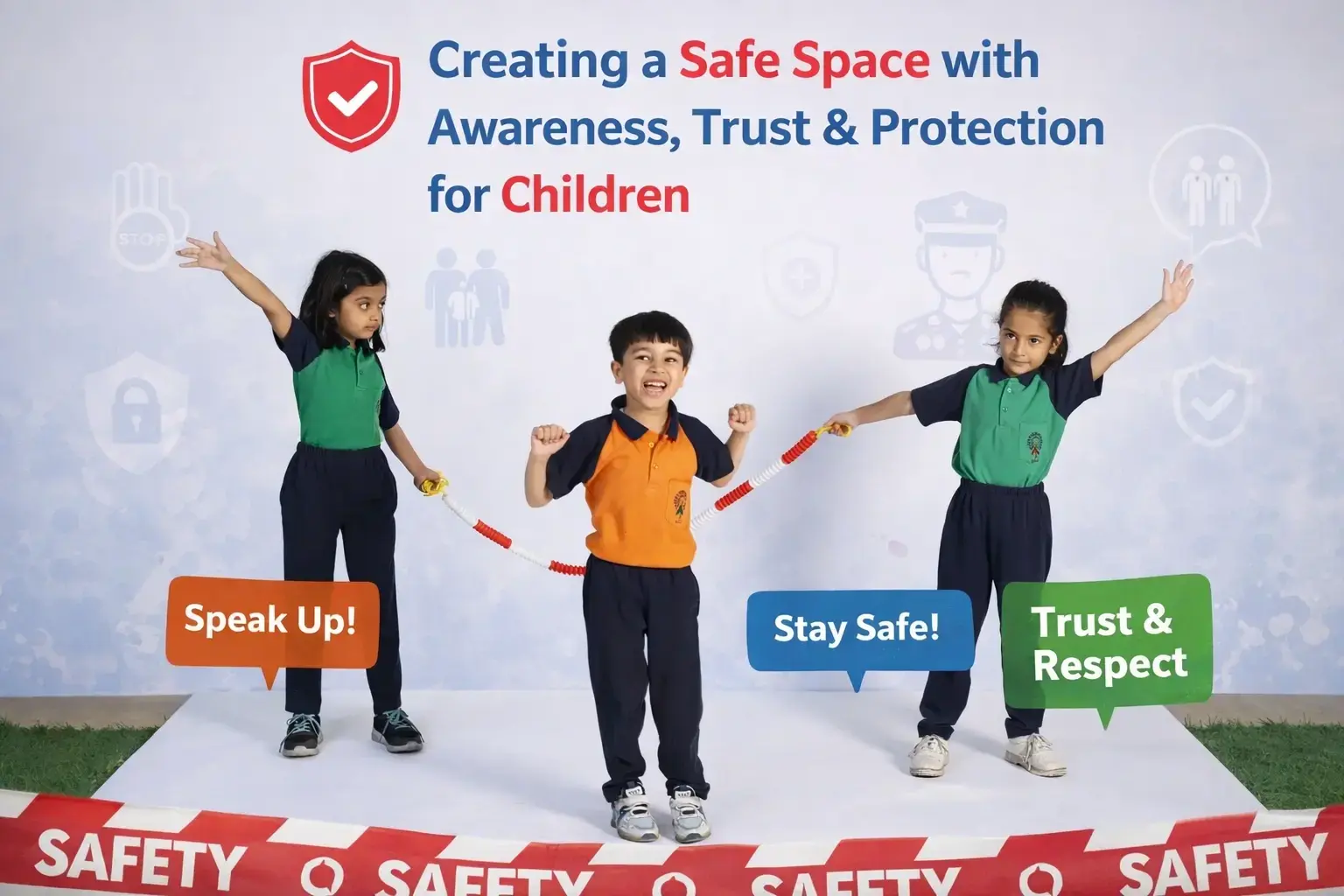
Childhood is meant to be a time of joy, curiosity, and learning yet this is only possible when children feel safe, protected, and supported. This is where Project CACA plays a transformative role. Designed as a comprehensive school-based curriculum, the initiative empowers children, parents, and educators to understand child rights, recognize unsafe situations, and cultivate a secure environment built on awareness and trust. With institutions increasingly prioritizing child safety, including those offering progressive learning models like Mayoor School Programs, the role of Project CACA becomes even more crucial in today’s world.
In this blog, we explore how Project CACA works, why it is essential, and how it complements modern education systems focused on holistic development.
Project CACA- short for Children Against Child Abuse is a structured and age-appropriate curriculum implemented in schools across India. It is built on the core pillars of:
It not only educates children about personal safety and boundaries but also equips teachers and parents with the knowledge required to identify, prevent, and respond appropriately to child abuse. With increasing incidents of both physical and emotional harm, the project ensures that children grow in a secure environment that nurtures confidence and resilience.
Childhood environments have drastically shifted due to increased digital exposure, societal pressures, and busy lifestyles of parents. Schools now play a crucial role beyond academics; they are responsible for a child’s emotional and physical well-being. Project CACA fills the existing awareness gaps by teaching children the difference between safe and unsafe touch, recognizing trusted adults, and understanding their right to say “NO.”
The strength of Project CACA lies in empowerment. When children are taught early about safety, trust, boundaries, and communication, they naturally become more confident and secure. This aligns beautifully with Early Preschool Programs, where building foundational understanding of self-awareness helps shape strong personalities.
Teachers are often the first to notice behavioral changes in children. The project provides structured training that helps educators:
Schools that already emphasize holistic pedagogies such as experiential learning Mayoor School - find that Project CACA aligns perfectly with their approach to nurturing emotionally intelligent learners.
The Project CACA curriculum is meticulously designed for different age groups. Younger children are taught using stories, puppet shows, and visual cues, while older students receive detailed guidance on topics such as online safety, emotional well-being, and peer pressure management.
Parents and teachers receive training on:
This collaborative model ensures that safety education is not restricted to classrooms but extends to homes as well.
Project CACA also helps schools strengthen and standardize their child safety policies. These include:
Schools aspiring to be future-ready and progressive such as those aiming to become the Best Cambridge School in Jaipur benefit immensely from embedding these policies within their institutional framework.
Early childhood is when the foundations of trust, emotional understanding, and personal boundaries are built. Programs rooted in safety awareness blend seamlessly with modern philosophies such as Early Childhood Education Shapes, helping children develop:
A child who knows their rights grows into an adult who respects boundaries and communicates effectively. Project CACA’s teachings foster independence, self-esteem, and healthy social relationships.
Project CACA complements multi-dimensional learning environments. Whether schools integrate STEAM Education or adopt experiential methodologies, safety awareness aligns with the broader goal of molding confident, empathetic, and intelligent global citizens.
With growing digitalization, children are exposed to social media, gaming platforms, and online communities at a young age. Project CACA addresses:
By preparing students for the virtual world, the initiative ensures they are not only informed but also responsible digital citizens.
Schools that implement Project CACA notice a visible improvement in:
Educators gain the ability to:
Teacher empowerment directly translates into safer learning environments.
Parents often struggle to discuss topics related to personal safety or emotional distress. Through Project CACA, they learn:
The family thus becomes the first and strongest safety circle for the child.
Schools that follow experiential learning Mayoor School and similar hands-on learning philosophies find that Project CACA naturally enhances:
Introducing real-world safety scenarios through role-play helps children internalize lessons easily.
Physical activity is essential for building confidence and emotional strength. When integrated with the importance of Sports Education, Project CACA encourages:
Sports environments become safer and more inclusive.
Modern education is incomplete without STEAM Education, which strengthens creativity, logic, and innovation. When safety awareness is added to this framework, students not only learn academically but also develop emotional and ethical intelligence.
Implementing Project CACA is not just a safety measure it is a commitment to nurturing emotionally strong, aware, and confident students. With institutions aiming to create progressive environments and embracing updated learning frameworks, the inclusion of such a program becomes not just necessary but essential.
Schools that prioritize student welfare, academic excellence, and holistic development adopt Project CACA to create environments where children not only learn but thrive.
Project CACA is more than a safety program, it is a movement to protect, empower, and uplift children. By creating a culture of trust, awareness, and protection, it ensures that every child grows in an environment where they feel valued, heard, and secure. As schools work toward holistic excellence like the vision upheld by the Best Cambridge School in Jaipur, integrating initiatives such as Project CACA becomes indispensable in shaping confident, emotionally strong future leaders.
If we wish to build a safer tomorrow, Project CACA must become a part of every educational ecosystem today.
Copyright ©2026 held by Global Institute of Technology Society and Mayoor School Jaipur | This template is made with by Shopivana
