Admission Enquiry 
Admission Enquiry
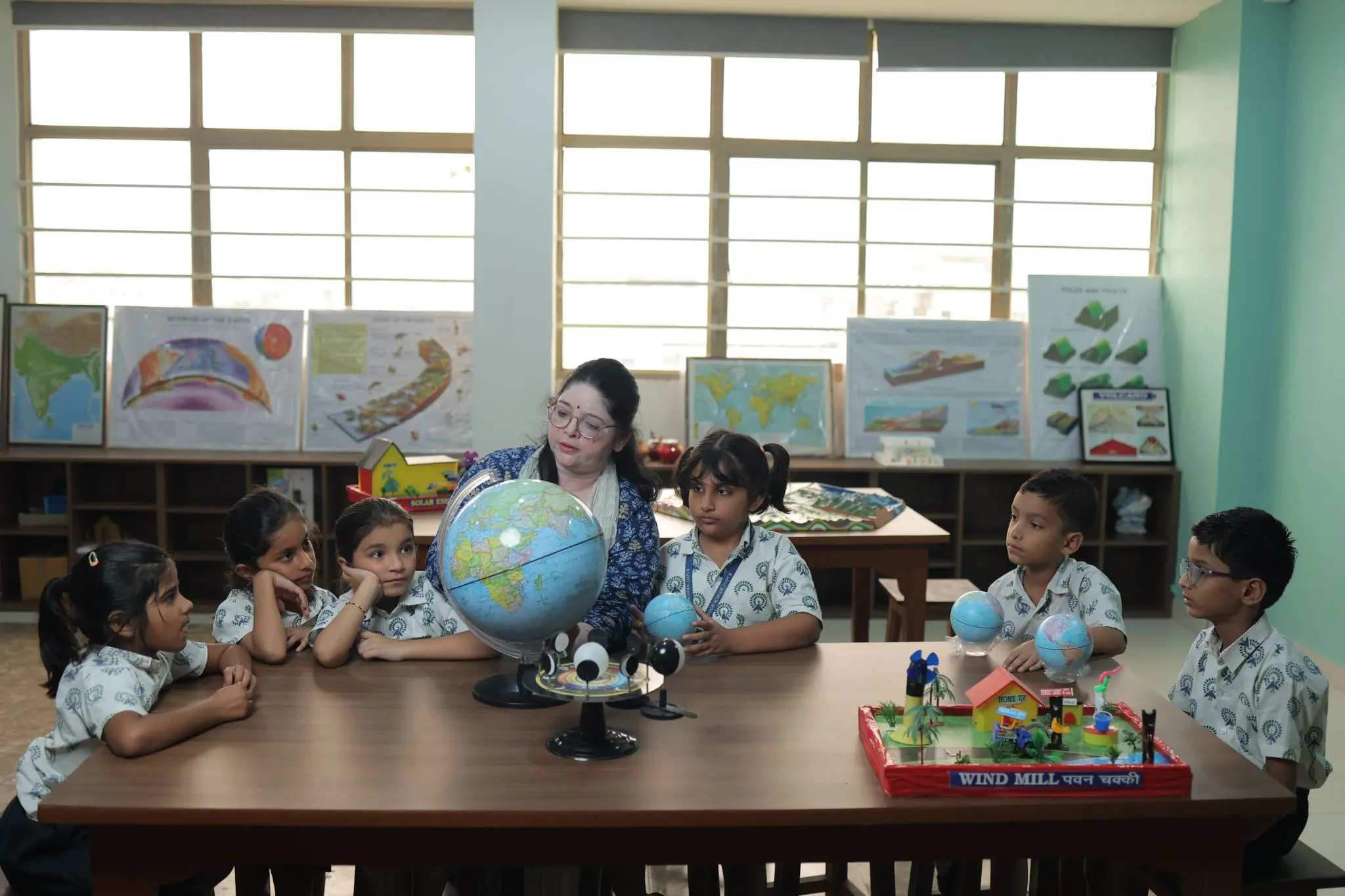
Education in 2026 looks very different from what most parents experienced growing up. Today’s families are not just asking what their children are learning, but how they are learning and why it matters in the real world. This shift in mindset is one of the biggest reasons why Integrated Curriculum Schools are becoming the first choice for modern parents. Many parents begin their research by understanding what an integrated curriculum is, and quickly realize that this approach aligns far better with the skills children need for the future.
Rather than teaching subjects in isolation, integrated learning connects concepts across disciplines, helping children think deeply, creatively, and independently. From the early years to senior classes, this model is redefining the quality of education in India.
Parents today are more informed, digitally aware, and future-focused than ever before. They understand that academic scores alone are not enough to prepare children for higher education, careers, or life.
Here’s what parents are actively looking for:
Traditional teaching methods often struggle to meet these expectations. This gap is exactly where Integrated Curriculum Schools stand out.
An integrated curriculum blends multiple subjects into meaningful learning experiences. Instead of studying math, science, and language separately, children explore themes and projects that combine all these areas.
For example, when learning about “water,” students may:
This integrated curriculum example shows how learning becomes interconnected, relevant, and engaging rather than fragmented and theoretical.
One of the strongest reasons parents prefer integrated education is the depth of understanding it builds. Children are encouraged to ask questions, analyze situations, and connect ideas rather than memorize facts for exams.
This approach:
By revisiting concepts across subjects, students develop mastery instead of temporary knowledge.
In 2026, education is no longer limited to textbooks and classrooms. Parents want schools that prepare children for real-life challenges.
Integrated learning mirrors how the real world works. Problems are not divided into subjects. This method helps children:
Many schools now align their philosophy with structured initiatives like the Mayoor School Program, which emphasizes holistic development through carefully designed learning experiences.
A common concern among parents is whether integrated learning aligns with board requirements. The good news is that integrated approaches work seamlessly with national frameworks.
Schools effectively map learning outcomes with board expectations, as explained in CBSE Curriculum - What to Expect in Jaipur’s Top School, ensuring that students remain academically competitive while enjoying a richer learning journey.
This balance reassures parents that their children are not missing out on academic rigor while gaining essential life skills.
The job market of tomorrow values skills over degrees. Parents are increasingly aware that their children will need:
Integrated Curriculum Schools are designed to nurture these competencies from an early age. Programs such as Project CACA further strengthen experiential learning by encouraging creativity, action-based thinking, and collaboration.
The success of integrated education begins in the early years. Parents now understand that strong foundations are critical for lifelong learning.
High-quality preschool learning programs using integrated methods help young children:
When children experience joyful, connected learning early on, they carry that enthusiasm throughout their academic journey.
No two children learn the same way. Integrated curriculum models allow teachers to adapt lessons based on:
This personalization ensures that children feel supported rather than compared, which is a major reason parents are moving away from rigid, exam-centric systems.
Academic excellence alone does not define success. Parents in 2026 place equal importance on emotional well-being.
Integrated schools actively promote:
Children grow not just as students, but as balanced individuals.
The growing preference for Integrated Curriculum Schools is not a trend; it is a response to the evolving demands of education and society. These schools offer:
Parents are choosing integrated education because it prepares children not just for exams, but for life.
As education continues to evolve, parents are making thoughtful, research-driven choices. Integrated learning stands out as a powerful approach that combines academics, skills, and values into one cohesive journey. For families seeking quality, balance, and future readiness, exploring options like the Best Day Boarding School in Jaipur with an integrated philosophy can be a transformative step toward their child’s success.
Integrated Curriculum Schools teach subjects in a connected manner, helping students understand concepts across disciplines instead of learning them separately.
It improves conceptual clarity, critical thinking, and long-term retention while keeping learning engaging and meaningful.
Yes, integrated learning aligns well with CBSE outcomes while enhancing understanding and real-world application.
Yes, assessments remain important but are balanced with projects, presentations, and experiential learning methods.
Integrated learning is highly effective from preschool onwards, as early exposure builds strong cognitive and emotional foundations.
Absolutely. Arts, sports, life skills, and creative activities are an essential part of the integrated approach.
Look for schools that emphasize concept-based learning, experienced teachers, holistic development, and alignment with academic boards.
Copyright ©2026 held by Global Institute of Technology Society and Mayoor School Jaipur | This template is made with by Shopivana
